

We Won't Allow The Clock To Be Turned Back On Fair Lending
Marc H. Morial
President and CEO
National Urban League
The National Urban League has spent more than a century fighting for economic opportunity. We know that access to capital changes lives.
A mortgage can help a family build generational wealth. A small business loan can turn a dream into a thriving enterprise. Fair and affordable credit can determine whether someone purchases their first home, expands a business, pays for an education, or weathers a financial emergency.
But for much of American history, those opportunities were deliberately denied to Black Americans, women, and other groups through discriminatory lending practices. It took decades of determined struggle to tear down those barriers and enact protections that required lenders to judge applicants on their qualifications rather than the color of their skin, their gender, or their ZIP code.
Now the Trump Administration is trying to undo that progress.
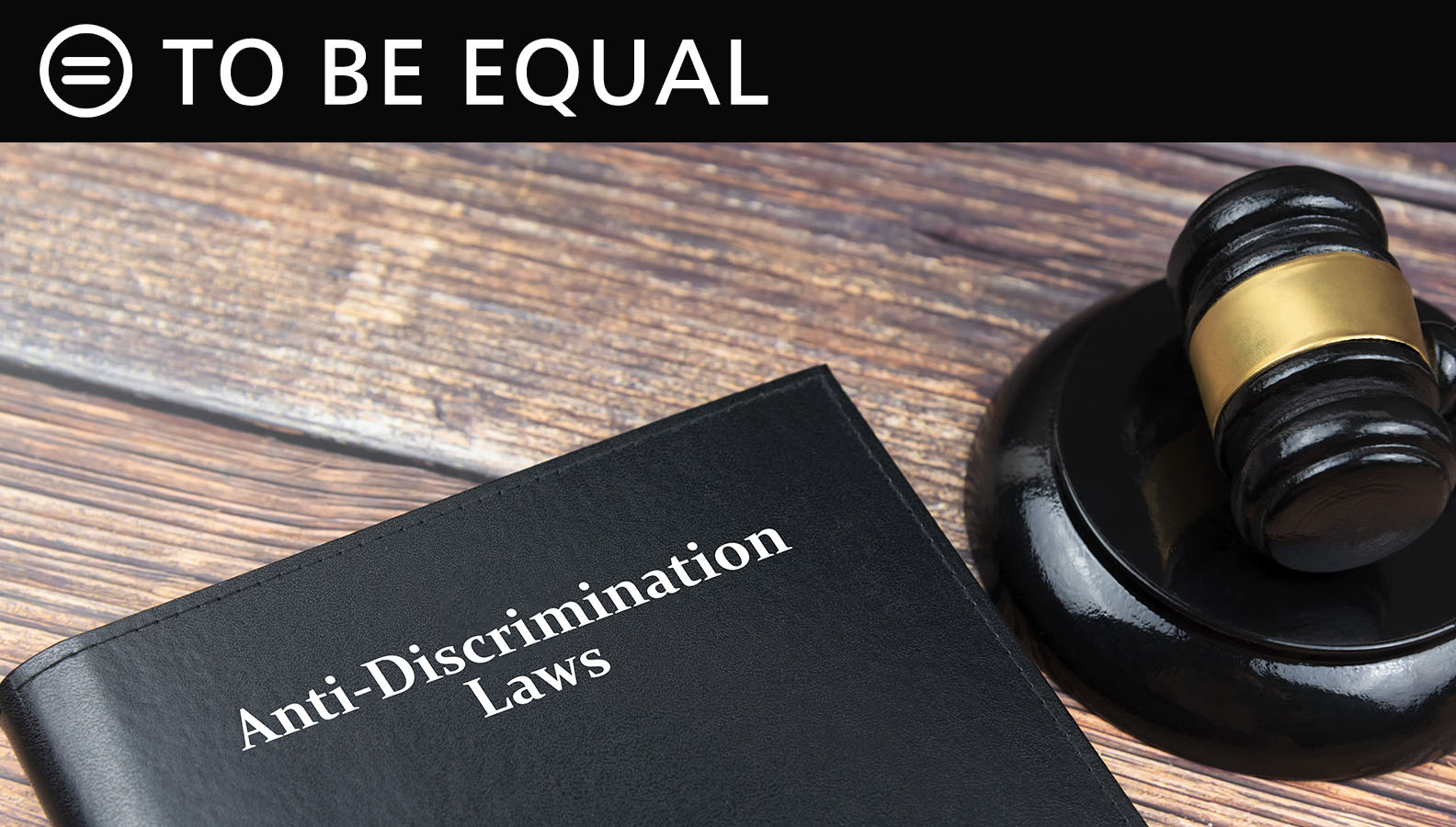
That is why the National Urban League and the Massachusetts Association of Community Development Corporations have gone to court to challenge the Consumer Financial Protection Bureau's rollback of critical protections under Regulation B, the federal regulation that enforces the Equal Credit Opportunity Act. These changes are not technical adjustments. They represent one of the most significant assaults on fair lending protections in decades.
This administration is attempting to dismantle safeguards that have protected Americans from discrimination in lending for more than fifty years. It is inviting financial institutions to abandon practices that help ensure equal access to credit and making it harder to challenge lending policies that disproportionately harm communities of color, women, and other protected groups.
The administration wants Americans to believe these protections are relics of another era.
They are not. Discrimination in lending did not disappear. It evolved.
Today, Black mortgage applicants continue to be denied loans at higher rates than white applicants. The Black-white homeownership gap remains even wider than it was in 1960. Black entrepreneurs continue to confront barriers to capital. Women continue to face discriminatory lending practices. And increasingly, decisions about who receives credit are being made by algorithms and artificial intelligence systems that can replicate and amplify existing biases. The need for strong fair lending protections is not shrinking – It’s growing.
One of the most dangerous changes eliminates a longstanding tool known as disparate-impact liability. This principle recognizes an obvious reality: discrimination is not always announced with a racist memo or a discriminatory policy statement. Sometimes discrimination occurs through supposedly neutral practices that produce predictable and unjustified barriers for certain groups.
For example, suppose a bank adopts a policy refusing to make mortgages under $150,000. The policy never mentions race. It sounds neutral. But because generations of redlining and discrimination depressed home values in many Black neighborhoods, it disproportionately shuts qualified Black families out of the mortgage market.
Exclusionary zoning and local zoning laws that prohibit multifamily housing or require large minimum lot sizes never mention race. However, because households of color generally have lower average wealth and income due to historical discrimination, these rules can effectively exclude many Black and Latino families from high-opportunity neighborhoods.
Disparate-impact protections recognize that discrimination doesn't always announce itself. Sometimes it hides behind policies that appear neutral while producing barriers that are both foreseeable and unnecessary.
Without disparate-impact protections, lenders face less pressure to examine whether their decisions are unfairly shutting people out of opportunity. The result will not be a freer market. It will be a less accountable one.
The administration is also weakening provisions that discourage lenders from avoiding certain communities and restricting programs specifically designed to expand access to credit where disparities have been documented. These programs have helped families buy homes, helped entrepreneurs launch businesses, and helped communities recover from generations of exclusion.
The message from Washington seems clear: If discrimination becomes harder to prove and easier to ignore, then government no longer considers it a priority.
We reject that message.
I grew up in New Orleans, a city where the consequences of exclusion and discrimination were never abstract theories. They shaped neighborhoods, schools, businesses, and family fortunes. Across America, the legacy of redlining and unequal access to credit remains visible today in the wealth gap that divides Black and white households and in the barriers entrepreneurs of color still face when seeking financing.
Those barriers were not created by accident, and they will not disappear on their own.
It’s not just an issue of fairness. It’s common-sense economic policy. When qualified borrowers are denied credit, our entire economy is harmed. Potential homeowners remain renters. Promising businesses never open their doors. Communities see less investment, fewer jobs, and slower growth. Equal access to credit is one of the engines that drives prosperity.
Every generation faces moments when it must decide whether the nation will move forward or backward. The effort to dismantle Regulation B is a step backward. It threatens to weaken protections that have helped millions of Americans pursue the American Dream and build a more inclusive economy.
The National Urban League is proud to join this fight because we know what is at stake. We have seen firsthand how fair access to credit transforms lives, strengthens communities, and expands opportunity.
The administration may want to turn back the clock, but we are determined to make sure it doesn't.
###
42TBE 10/31/26 ▪ 117 W. 125th Street ▪ New York, NY 10027 ▪ (212) 558-5300
Instagram: https://www.instagram.com/naturbanleague
Facebook: https://www.facebook.com/NatUrbanLeague
Threads: https://www.threads.net/@naturbanleague
YouTube: http://bit.ly/YTSubNUL
Newsletter: http://bit.ly/SubscribeNUL
Website: https://www.nul.org