

Op-Ed: Antisemitism, Racism are Linked. Ending It Can Start in Akron
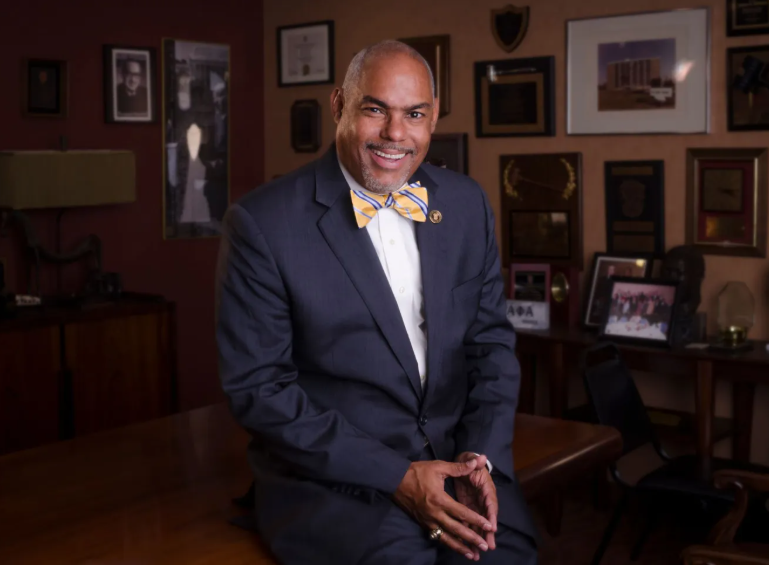
Written By: John Williams
President & CEO, Akron Urban League
This is the third story in a three-part series, “Shared Foundations,” examining the history of Black-Jewish relations with the hopes of encouraging thoughtful reflection and greater understanding to build a stronger Akron community.
While Parts I and II of Shared Foundations explored the shared roots of racism and antisemitism and the strains they place on Black-Jewish relations, the final question is practical: What does renewal look like in a city like Akron?
Solidarity does not naturally reemerge; it depends on institutions, leadership and habits strong enough to endure a crisis. It also requires clarity about what, exactly, is being protected: democratic dignity.
At its core, combating racism and antisemitism is not simply about group identity but about safeguarding the democratic principles that allow pluralism to function. New York University School of Law professor and social justice activist Bryan Stevenson reminds us: “The opposite of poverty is not wealth; the opposite of poverty is justice.”
The same applies here: The opposite of racism or antisemitism is not mere tolerance but a just civic culture that actively protects dignity. Justice requires structures, not slogans. Renewal demands more than goodwill; it requires deliberate design.
The first pillar of durable solidarity is civic education, because hatred thrives in historical ignorance. When students learn about slavery but not the Holocaust — or about the Holocaust but not redlining and segregation — they receive fragmented moral instruction.
Educational spaces in Akron, from schools to universities and faith-based programs, should model a comprehensive history that explains how different forms of prejudice operate and intersect.
As Yale historian Timothy Snyder warns, democracy depends on citizens who resist easy myths. When public understanding collapses into conspiracy thinking, minority communities become targets. Teaching historical complexity is not indoctrination; it is democratic maintenance, and Akron’s classrooms and community forums can serve as preventative infrastructure.
The second pillar is interfaith and intercultural leadership. Rabbi Irving “Yitz” Greenberg writes that in a pluralistic society, “No group’s dignity is secure unless every group’s dignity is secure.” That principle calls for visible cooperation among clergy, nonprofit leaders and civic officials. Joint statements matter, but sustained relationships matter more.
Akron’s religious and civic landscape makes this work possible. Churches, synagogues and other faith centers already anchor neighborhoods across the city, and purposeful collaborations — pulpit exchanges, joint service initiatives, youth programs — build relational trust before crisis strikes. Trust built gradually is more durable than unity declared quickly.
Beyond faith institutions, organizations such as the Akron Urban League and the Jewish Community Center operate in the same public square and often serve overlapping communities. Coordinated efforts in housing equity, youth mentorship or countering hate speech can translate shared concern into collective action. Renewal becomes real when institutions that long worked in parallel begin collaborating intentionally.
The third pillar is moral clarity in public discourse. Historian Deborah Lipstadt has argued that antisemitism often mutates in language before it erupts in violence, and the same is true of racism. Leaders must identify harmful rhetoric early, even when doing so feels uncomfortable.
That clarity must remain balanced: Condemning antisemitism does not weaken the fight against antiBlack racism, and confronting anti-Black racism does not diminish the seriousness of antisemitism. As Harvard professor Danielle Allen writes, democracy depends on “mutual recognition among strangers.” When recognition falters, democracy frays.
The fourth pillar is economic inclusion. Tensions between Black and Jewish communities have often surfaced around housing and urban policy. Preventing future strain requires addressing the structural inequalities that fuel resentment. Fair access to housing, small business development and equitable public investment stabilize communities.
Akron’s redevelopment efforts offer a meaningful opportunity. Involving diverse voices in revitalization fosters trust, while exclusion breeds suspicion. Economic policy cannot eradicate prejudice, but it can reduce the conditions that fuel scapegoating.
The fifth pillar is digital literacy and resilience against misinformation. Social media accelerates conspiracy theories that cast Jews as hidden manipulators or Black Americans as inherent threats — narratives no longer confined to the fringe. Civic institutions such as libraries, schools, and faith communities can equip residents to question sources and verify claims before sharing them.
Sociologist Robert Putnam warned of declining “social capital” in American life, and rebuilding it requires intentional spaces for cross-community engagement. Akron’s size is an advantage: relationships are more accessible in midsized cities than in sprawling metropolitan areas.
Ultimately, solidarity depends on humility. Civil rights activist James Baldwin wrote, “Not everything that is faced can be changed, but nothing can be changed until it is faced.” Confronting history honestly strengthens a community. Facing complexity makes renewal credible.
To read the full Op-Ed, click here.