

Immigration Enforcement Abuses Are Undermining Public Safety. The National Urban League's 21 Pillars Can Restore It
Marc H. Morial
President and CEO
National Urban League
“Officers in unmarked cars and masks are indiscriminately arresting people based on the language they speak or the color of their skin. They’re detaining U.S. citizens! Even folks without criminal records. They’re disregarding Americans’ constitutional rights and throwing due process to the wind. This is NOT what a safe city looks like: Kids are terrified to go to school. Families can’t go to the grocery store. It’s horrifying.” – Senator John Hickenlooper
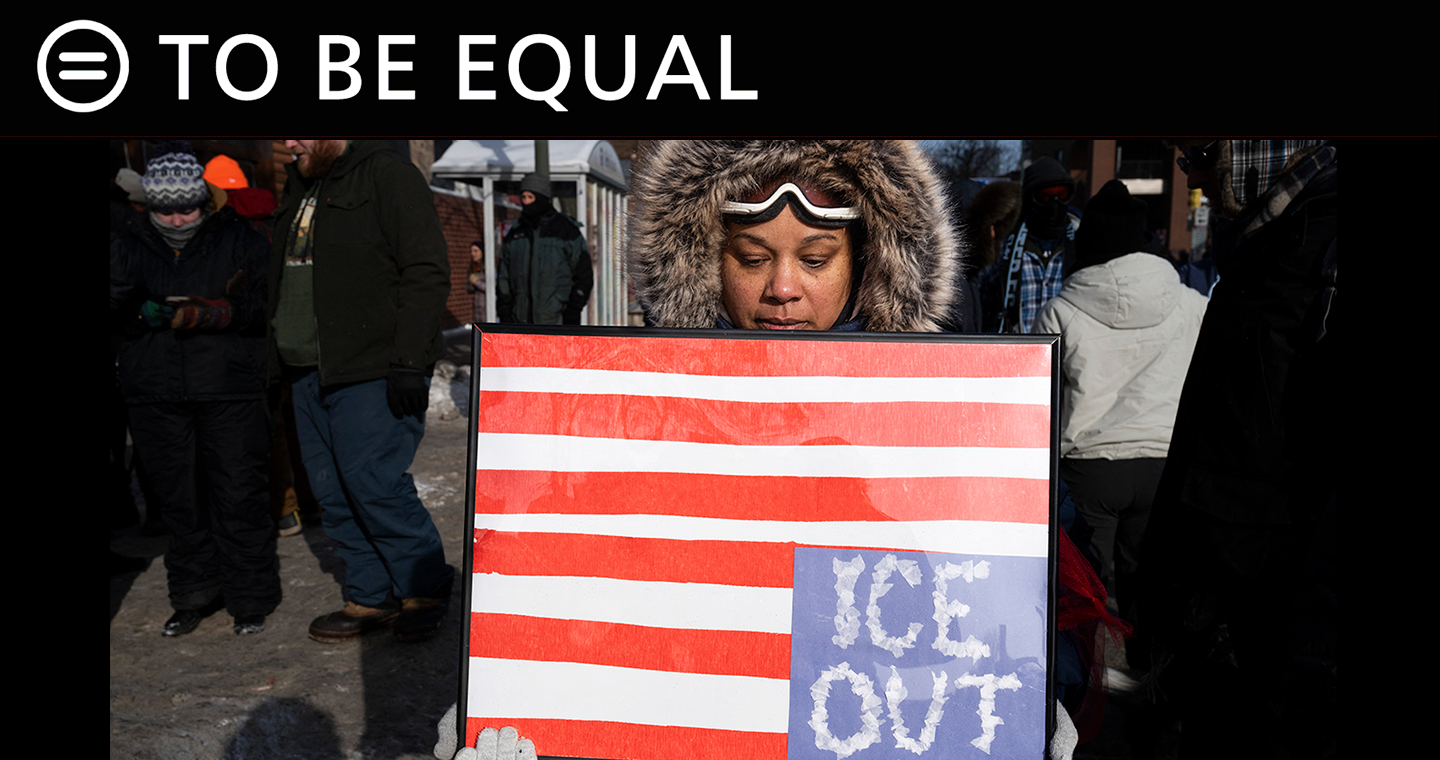
A violent death at the hands of law enforcement. An official account riddled with falsehoods, clearly contradicted by video evidence. A citizen uprising against injustice and brutality.
Nearly six years after the murder of George Floyd by Minneapolis police inspired a nationwide reckoning on civil and human rights, history appears to be repeating itself with the fatal shooting of Minnesota nurse Alex Pretti by immigration enforcement agents.
Law enforcement doesn’t have to look like this. In the wake of Floyd murder, the National Urban League developed 21 Pillars for Redefining Public Safety and Restoring Community Trust, a framework for criminal justice advocacy.
Each of the 21 Pillars addresses one of five goals – goals that current immigration enforcement agencies not only fail to meet but are actively undermining:
- Collaboration with communities to build a restorative system
- Accountability
- Reform of divisive policies
- Transparency, reporting, and data collection
- Improved hiring standards and training
The aggressive and confrontational tactics of federal immigration agents undermine both the fairness and effectiveness of the immigration system—and make communities less safe. Adoption of the 21 Pillars framework would transform the relationship between immigrant communities and immigration enforcement agencies and restore public safety.
Collaboration: The 287(g) Program, which deputizes local police as immigration agents, damages longstanding trust‑building strategies that help reduce crime. Fear of deportation deters immigrants from calling 911, seeking medical care, or sending children to school. Local law enforcement authorities say this fear makes their jobs “harder” and compromises their ability to detect and prevent crime.
Law enforcement depends on cooperation from victims and witnesses. When that cooperation collapses, crime increases, offenders go unpunished, and public safety declines for everyone.
Accountability: Immigration enforcement agents concealing their identities behind masks undermine due process and equal protection by preventing individuals from verifying the legitimacy of arrests and seeking justice for abuse. 21 Pillars calls for robust policies and procedures to investigate misconduct and enforce disciplinary standards. The Trump administration has barred state and local authorities from reviewing evidence related to Pretti’s death and is, itself, conducting only a cursory review of the shooting. Meanwhile, the administration has eliminated personnel responsible for investigating abuses within the agency and restricted congressional oversight of ICE detention. As outlined in 21 Pillars, civilian review boards, body worn cameras, mandatory officer identification, and full public reporting of critical incidents would bring accountability to a far-too opaque system
Reform of divisive policies: In addition to the use of masks to conceal agents’ identities, immigration enforcement is further undermining public trust and community safety with the use of racial profiling, aggressive militarized tactics and indiscriminate use of excessive force. At least eight people have been killed by federal immigration agents or died in custody in the first month of 2026 alone. An overwhelming 72% of Americans say it’s unacceptable for agents to use people’s appearance or the language they speak as a reason to check their immigration status, and a clear majority believe immigration enforcement is too aggressive. Increasingly, enforcement has focused on people who have no criminal history, diverting resources away from those who pose actual public‑safety risks.
Transparency, reporting, and data collection: Federal immigration authorities have a “pattern of limited transparency… and slow or incomplete accountability around ICE use‑of‑force and public arrests,” while regularly withholding records, including use‑of‑force reports, requiring FOIA litigation to obtain even basic information. Only with complete and transparent data cand policymakers and oversight agencies detect deviations, correct course, and hold the agency accountable for both errors and abuses.
Improved hiring standards and training: A recent viral account of a journalist’s experience revealed just how lax hiring procedures are for immigration enforcement. The reporter was offered a job following a six-minute interview without “a single signature on agency paperwork.” The Trump administration has relaxed hiring and training standards, and even used white nationalist imagery and language in recruiting. Stringent background checks, higher recruiting standards screened, and thorough training will result in fewer dangerous raids, unlawful arrests, and unjustified incidents of excessive force.
The Homeland Security Act of 2002, following the September 11 attacks, combined the functions of the Immigration and Naturalization Service and the United States Customs Service under a new agency, Immigration and Customs Enforcement. Its primary responsibility is “to preserve national security and public safety." The current policies and practices of the agency serve only to endanger public safety and terrorize communities. Adoption of 21 Pillars would allow the agency to fulfill its mission effectively, efficiently, and humanely.
###
4TBE 1/31/26 ▪ 117 W. 125th Street ▪ New York, NY 10027 ▪ (212) 558-5300
Connect with the National Urban League
Instagram: https://www.instagram.com/naturbanleague
Facebook: https://www.facebook.com/NatUrbanLeague
Threads: https://www.threads.net/@naturbanleague
YouTube: http://bit.ly/YTSubNUL
Newsletter: http://bit.ly/SubscribeNUL
Website: https://www.nul.org