

Councilmember De’Sean Quinn Highlights Historic Gains for Black Communities in $20B King County Budget
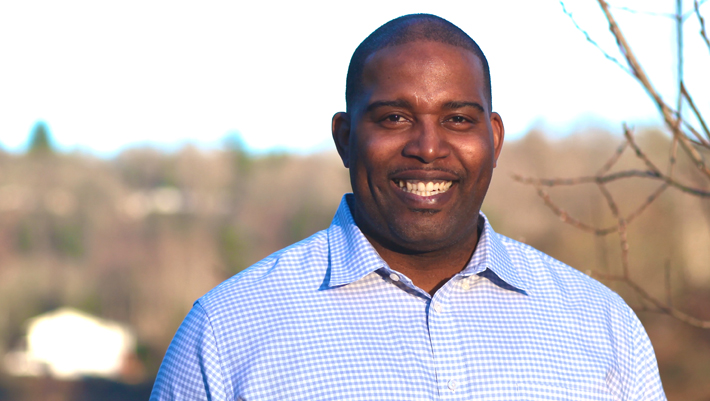
The King County Council approved a $20 billion biennial budget for 2026 to 2027 that aims to confront racial injustice and deliver targeted resources to historically marginalized communities. For Councilmember De’Sean Quinn, who represents District 5 in South King County, the budget is more than a spending plan. It is a roadmap for repair.
Quinn, who was appointed in January to fill a vacancy left by former Councilmember Dave Upthegrove, praised the budget’s direct investments in the Black community and described the final package as a meaningful step toward equity and justice.
“The budget is an explicit statement about our values, and shows how much we value the people in this county not just for their future but also to undo the harms of the past,” said Quinn. “Our Black communities have suffered at the hands of oppressive legislation and culture for most of this nation’s history, and this budget brings significant funding to programs aimed at stemming the ongoing impacts of that oppression.”
Among the investments designed specifically to support Black residents are funding for small businesses, eviction prevention, youth programs, and a groundbreaking state study on reparative action for descendants of enslaved people. Quinn emphasized that these allocations are not symbolic but designed to create long-term stability and opportunity in communities that have been underfunded for generations.
Key highlights of the budget for Black communities include:
• $250,000 for Tabor 100 to support Black-owned small businesses, particularly in District 5 cities like Kent, Renton, and Tukwila
• $123,888 to the Urban League of Metropolitan Seattle for eviction prevention, transitional housing, and flexible individual support services
• $300,000 to fund the Charles Mitchell and George Washington Bush Study on Reparative Action, focused on Washington State descendants of U.S. chattel slavery
The Urban League of Metropolitan Seattle (Seattle, WA) funding supports three programs that address urgent needs in housing and youth development: Homebase, which helps prevent evictions; Harder House, offering support to young men aging out of foster care; and Streets to Home, which provides temporary housing, employment assistance, and resources such as security deposits and transit passes.
To read the full story, click here.