

The Urban Civil Rights Museum In Harlem Isn't About The Past
Marc H. Morial
President and CEO
National Urban League
“The struggle is a never-ending process. Freedom is never really won. You earn it and win it in every generation.” — Coretta Scott King
When people hear the words "civil rights museum," they often think of history.
They think of photographs, artifacts, and stories from another era. They imagine a place where visitors come to remember remarkable people who confronted remarkable injustices.
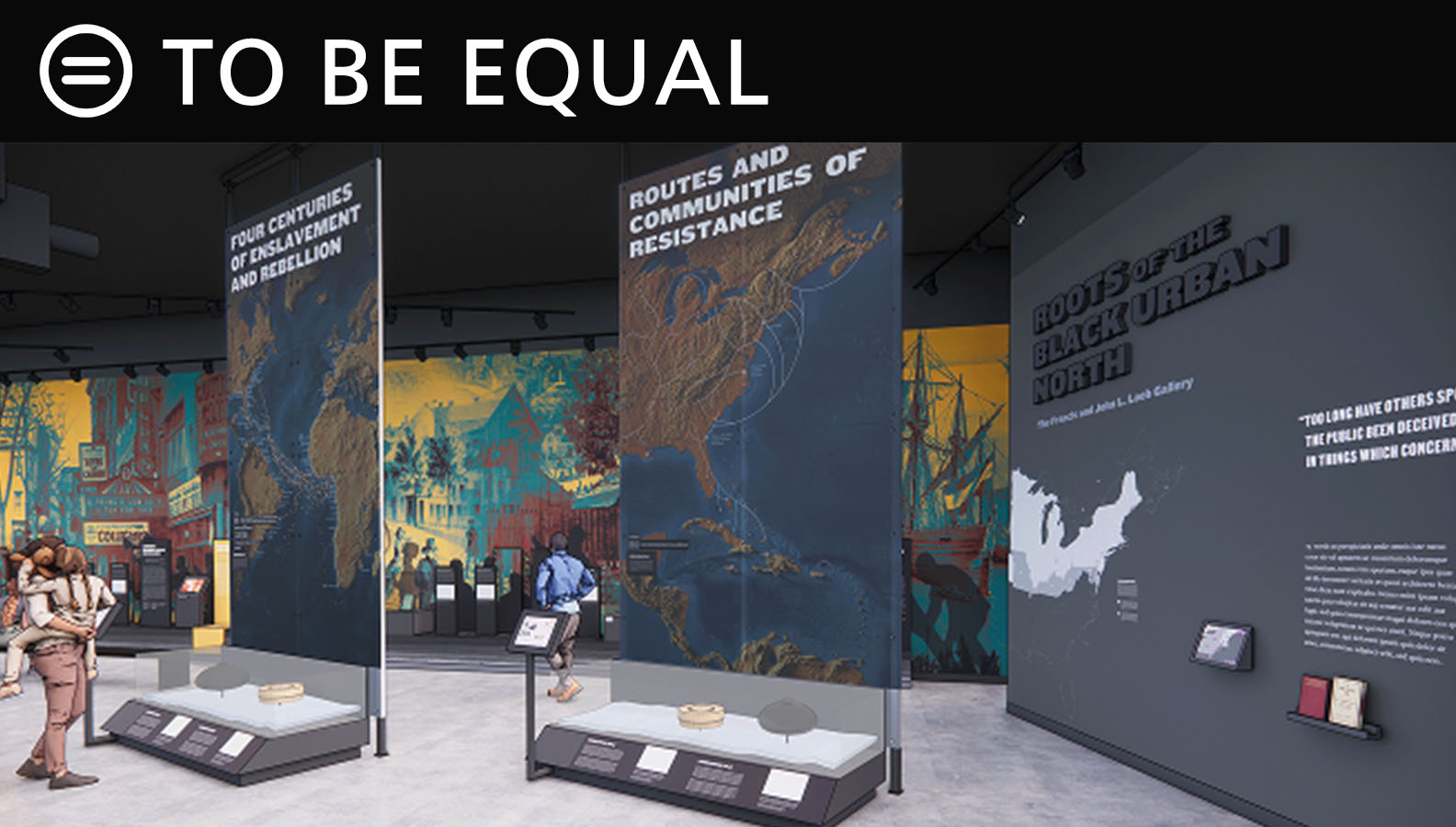
The Urban Civil Rights Museum in Harlem, opening next weekend, certainly will preserve history. But preserving history is not its primary purpose.
We did not build this museum because the civil rights movement is over. We built it because it is not.
At a time when Americans are more divided from one another, less trusting of institutions, and less engaged in civic life, our nation does not merely need better history lessons. It needs a new generation of citizens prepared to strengthen democracy and advance justice in their own communities.
That is why the Urban Civil Rights Museum is designed not just to be a repository of the past, but also as a bridge between generations.
The men and women whose stories fill its galleries never viewed themselves as historical figures. They were ordinary people confronting extraordinary circumstances. They organized their neighbors. They challenged discriminatory laws. They registered voters. They built businesses. They formed associations, churches, advocacy groups, and community institutions. They understood that progress is not something a nation grants. It is something people demand, defend, and build.
Too often, we talk about the Civil Rights Movement as though it were a completed chapter in American history. But the central questions that defined that movement remain open:
Who has access to economic opportunity?
Who can afford safe and stable housing?
Who has equal access to quality education?
Who participates fully in our democracy?
Who is heard and who is ignored?
The struggles may have evolved, but our responsibility to confront them remains.
That is why we believe a museum in the heart of Harlem can be more than a destination for visitors. It can be a catalyst for civic engagement. Young people who walk through its doors should leave with a deeper understanding of history, but also with a sense of obligation to shape the future.
They should understand that the right to vote survives only when people exercise it. They should see that economic justice requires organization, advocacy, and persistence. They should recognize that every major advance in American democracy began with citizens who refused to accept the status quo.
The museum is part of the Urban League Empowerment Center, a first-of-its-kind development that combines the preservation of history with the pursuit of opportunity. Alongside the museum are affordable housing, community organizations, retail businesses, and the National Urban League's headquarters.
That is part of our message. Civil rights are not confined to exhibits and archives. They are reflected in whether families can find affordable homes, whether workers can earn living wages, whether entrepreneurs can access capital, and whether communities have the resources they need to thrive.
The Empowerment Center, as a whole, reflects a fundamental lesson of the civil rights movement: that democracy works best when opportunity is broadly shared and communities are equipped to flourish.
For generations, Harlem has been a center of Black political thought, cultural innovation, economic aspiration, and social change. People came here not just to express their dreams, but also to organize around them. Harlem has never been a place simply to remember history. It has been a place to make history.
That tradition continues with the Urban Civil Rights Museum in Harlem. Here, we honor those who came before us, and ensure that their courage inspires those who come after us.
A museum cannot register voters. It cannot organize a neighborhood meeting. It cannot mentor a young entrepreneur or advocate for affordable housing. But it can remind us that ordinary people have always been the driving force behind extraordinary change. It can help us see ourselves not as spectators in the American story, but as the creators of it
###
43TBE 11/7/26 ▪ 117 W. 125th Street ▪ New York, NY 10027 ▪ (212) 558-5300
Instagram: https://www.instagram.com/naturbanleague
Facebook: https://www.facebook.com/NatUrbanLeague
Threads: https://www.threads.net/@naturbanleague
YouTube: http://bit.ly/YTSubNUL
Newsletter: http://bit.ly/SubscribeNUL
Website: https://www.nul.org